How to Get a Tattoo Removed: Lasers, Sessions, Pain and Risks
How laser tattoo removal works, how many sessions it takes, what it feels like, what drives the price, and when a cover-up or surgical excision makes more sense.
Related galleries

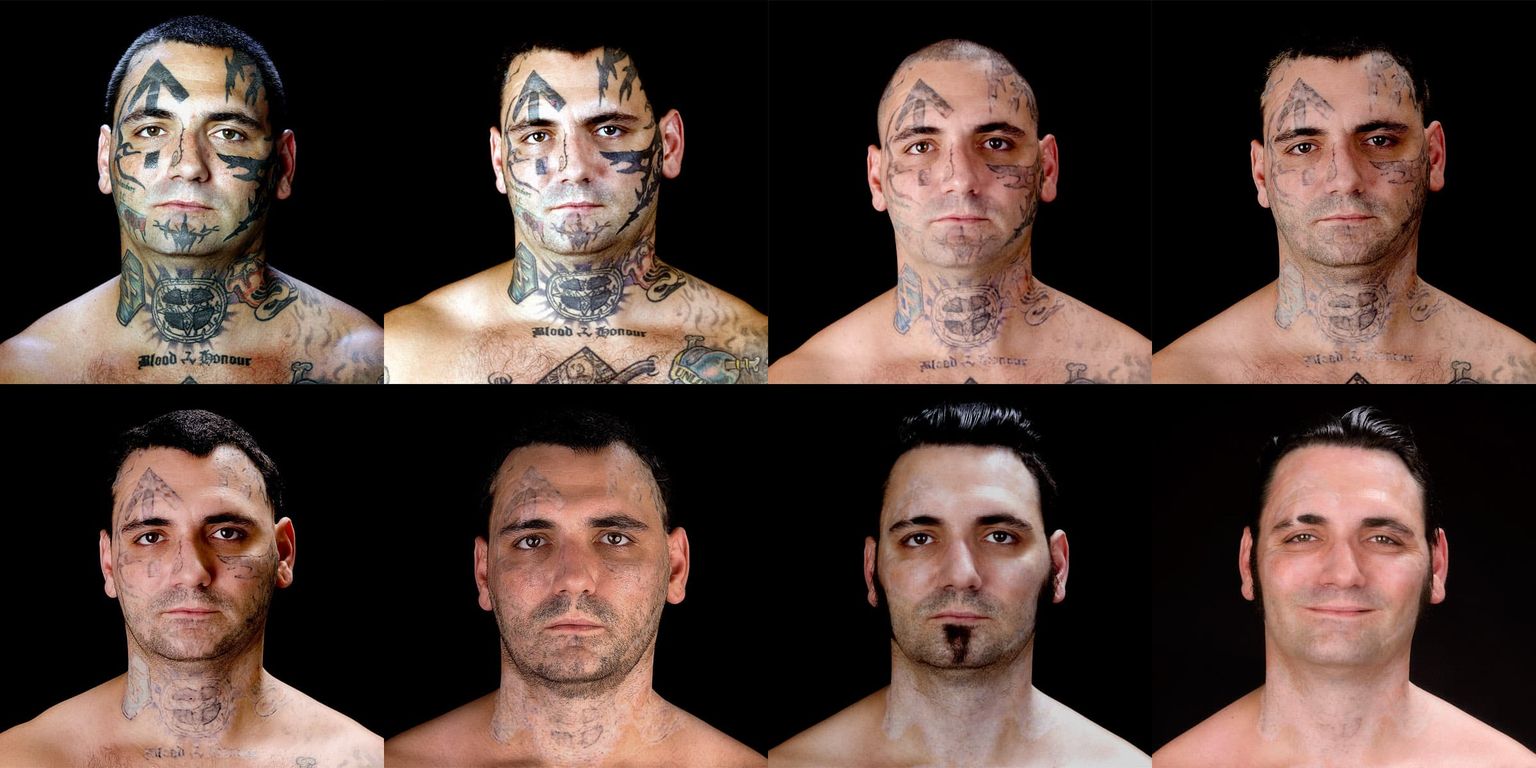
The most reliable way to get a tattoo removed is with a laser, at a clinic, over many sessions. Many tattoos need 5 to 10 sessions and some need up to 20, usually 6 to 8 weeks apart. So plan for a year or more. Many tattoos fade until they’re hard to see, but complete removal isn’t guaranteed.
Summary
- Removal creams and DIY kits aren’t approved for removing tattoos, and they can burn or scar your skin.
- If you’re planning a cover-up, a few sessions to lighten the old tattoo may be all you need.
How does laser tattoo removal work?
Tattoo ink sits in the dermis, the skin layer under the surface. The ink particles are too big for your immune cells to remove, which is why a tattoo stays put. A removal laser fires very short pulses of light that shatter the ink without burning the skin around it. Your immune system clears the fragments over the following weeks.
One session can’t do it all. A laser can only safely break up part of the ink at a time1. Each ink color also absorbs a different wavelength of light. A clinic with only one laser may not be able to treat every color in your tattoo.
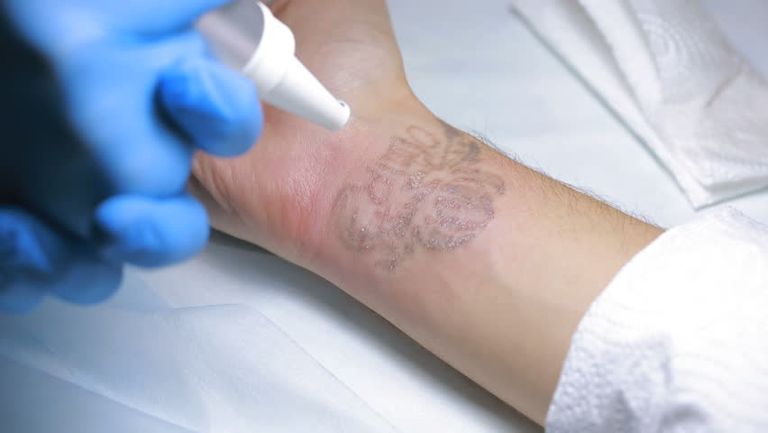
Q-switched and picosecond lasers
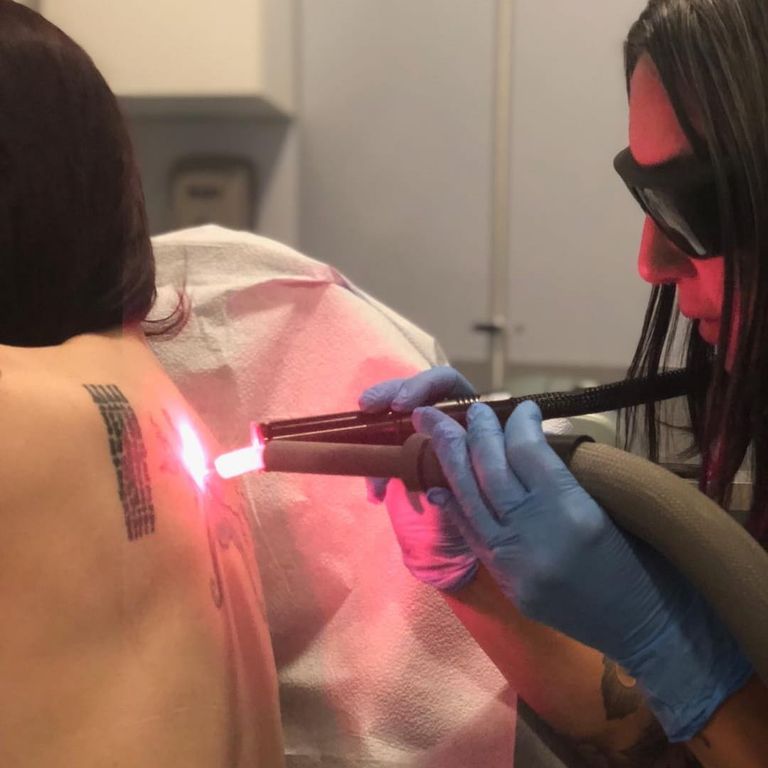
Q-switched lasers have been the standard for decades. Picosecond lasers fire even shorter pulses, which in theory break ink into finer dust. But so far there’s little evidence that they work better. The person operating the laser matters more than the machine.
Can a tattoo be fully removed?
Often, but not always. Many tattoos fade until you’d only spot them if you knew where to look. Others leave a faint outline, a few stubborn colors, or lighter skin. Full removal is harder on dark skin and on multicolored tattoos.
How many sessions does tattoo removal take?
There’s no fixed number, and nobody can promise one at the first consultation. In the study behind the Kirby-Desai scale2, which clinics use to estimate sessions, 100 patients needed 10 treatments on average. Some needed 3, others 20.
Sessions are usually 6 to 8 weeks apart, sometimes longer on darker skin. Going back sooner doesn’t speed things up. Your body is still clearing ink, and lasering unhealed skin raises the risk of scarring. Each session itself usually takes only minutes.
What affects how well a tattoo fades?
These are the main things that change how many sessions you need:
- Ink color. Black and dark blue are easiest. Green, red and yellow take longer. White and skin-tone ink can turn black under the laser, so ask for a test spot first.
- Amount of ink. Amateur tattoos usually hold less ink and clear faster than dense professional work. A cover-up means two layers of ink, and more sessions.
- Placement. Ink clears faster from the head, neck and torso than from the lower legs, feet and hands.
- Skin tone. On darker skin, practitioners use gentler settings and longer gaps to avoid light patches. That adds sessions.
- Age and health. Older tattoos tend to fade faster. Clearing ink is your immune system’s work, so removal needs a healthy immune system.
Does tattoo removal hurt?
Usually, yes. It can feel uncomfortable or painful, a bit like a thin rubber band snapping against the skin. Ask the clinic about a numbing cream or an injection of local anesthetic.
Healing and aftercare between sessions
Right after a session the area often turns white for a few minutes, then red and swollen. Some blistering and scabbing over the next few days is common. Follow your clinic’s aftercare. It usually looks like this:
- Wash the area gently and pat it dry.
- Apply the ointment your clinic recommends, and cover the area if they tell you to.
- Leave blisters and scabs alone. Picking them is how scars start.
- Keep the treated skin out of the sun, under light-blocking clothing, for 3 months.
See a doctor if the area gets hotter, more painful or more swollen after the first couple of days, if it oozes pus, or if you get a fever.
What are the risks of laser tattoo removal?
Laser removal is generally safe when a trained professional does it. The risks:
- Lighter or darker patches of skin. These usually fade within 6 to 12 months.
- Scarring, more likely when the operator lacks medical training.
- Infection, if the treated skin isn’t kept clean while it heals.
Don’t start treatment while you’re pregnant or breastfeeding.
What affects the cost of tattoo removal?
Most clinics charge per session, and the price mostly follows the size of the tattoo. The total depends on how many sessions you need. Health insurance usually treats removal as cosmetic and won’t pay for it. At the consultation, ask for the price per session and how many sessions they expect. Be wary of packages that promise complete removal in a set number of sessions.
Alternatives to laser removal
If you can live with a new design over the old one, fading it for a cover-up is the gentlest route. A few laser sessions can lighten an old piece enough for an artist to tattoo over it. Our guide to cover-up tattoos walks through how that works.
Surgical excision
A surgeon cuts out the tattooed skin and stitches the edges together. It removes the ink in one visit but leaves a scar, so it only suits small tattoos.
Dermabrasion, salt and removal creams
Dermabrasion sands away the top layers of skin. Like surgery, it carries a greater risk of scarring. Skip removal creams and at-home kits. The FDA hasn’t approved any of them, and they can cause rashes, burns and scars3. The same goes for rubbing salt into the skin, which is extremely painful.
Who should remove your tattoo?
Removal lasers are cleared for use by, or under the supervision of, a health care professional. Look for a board-certified dermatologist. Book consultations at two or three places and compare answers:
- Who will hold the laser, and what training do they have?
- Which lasers do you have, and will they treat every color in my tattoo?
- Can I see before and after photos of patients with tattoos like mine?
If the plan is to lighten an old tattoo for something new, find the cover-up artist first, for example through the Tattoodo artist finder. Let their answer on how light the old ink needs to go set how many sessions you book.